How to find second-hand clothes from a photo
Start a second-hand clothing search with the image, then strengthen it with a brand, product name or item code wherever possible. Before buying, verify the actual garment's measurements and condition: a familiar photograph does not establish what the seller currently has.
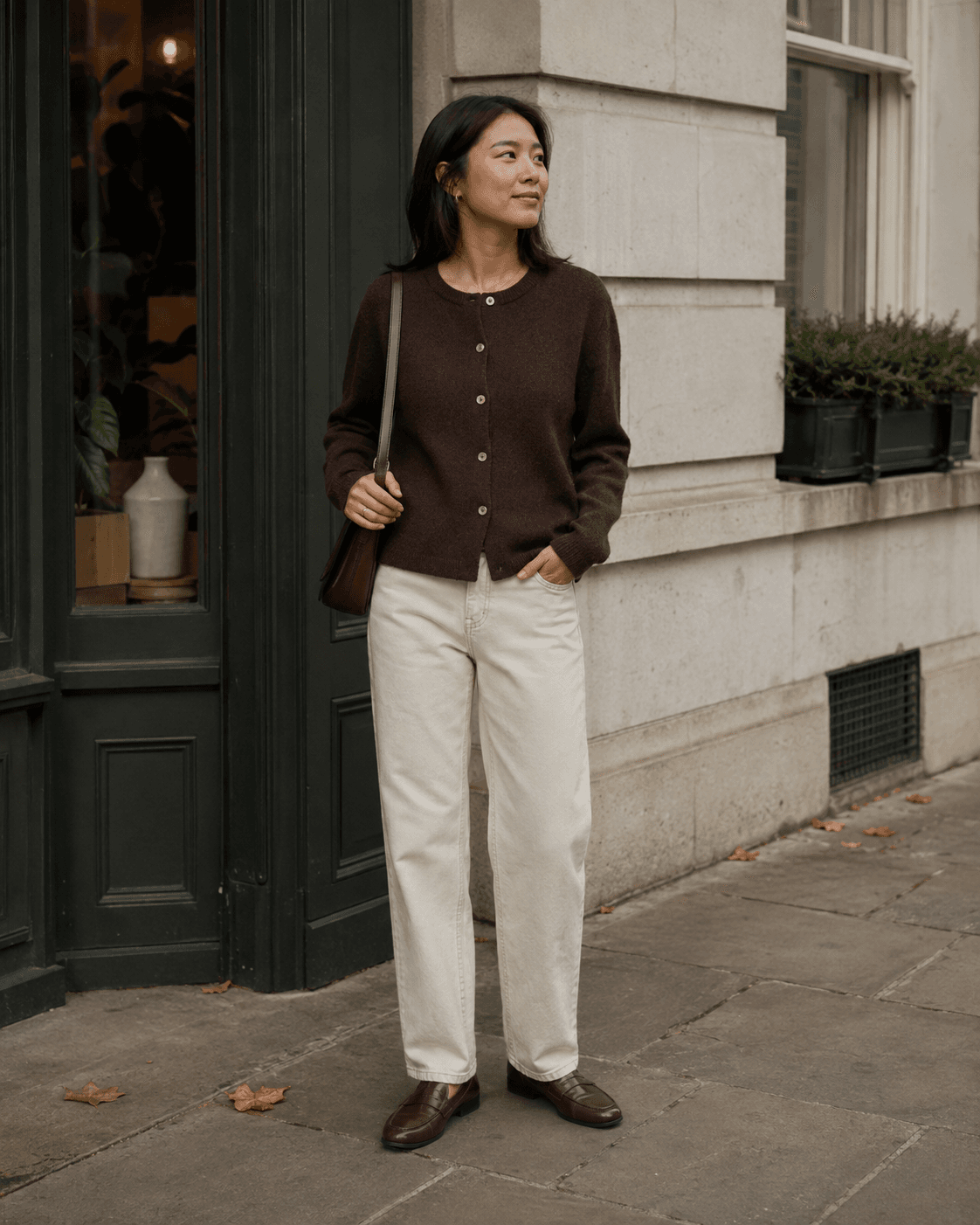
Build an identity note before browsing
Record the details you can see: neckline, fastening, pocket placement, hem and any distinctive pattern. Check the original post for a brand credit. If a label is visible, transcribe the item or style code carefully, keeping letters, numbers and separators. Do not mistake a fabric-care symbol or size marking for a product identifier.
Search the full code with the brand, then try the product name and a few visible details. A brand can reuse a name or silhouette across seasons, so keep colour and construction in your comparison.
Alternate image clues with text searches
An image search can suggest names for unfamiliar shapes. Google's instructions support an uploaded image with added descriptive text. Use that as a starting point, then search resale listings using the words or code you have verified rather than relying on a single image result.
For an espresso cardigan, try the confirmed brand plus neckline and button details, then broaden the colour wording to brown if necessary. Sellers describe colours differently. A loosely related result may teach you a useful term without identifying your original.
Check the garment behind the listing photo
Compare the seller's photographs with the reference: count buttons, inspect seams and check the label. A reused catalogue photograph can explain the design but does not show the condition of the item being sold. Ask for current photographs of the actual piece if those are missing.
For knitwear, useful close-ups include cuffs, underarms, buttons and any disclosed damage. For trousers, check hems and waistband as well as the front view. Ask whether repairs or alterations changed the original shape; do not infer authenticity or condition from a polished image.
Compare measurements, not only the size label
Choose a garment you already like wearing and measure it using the same method you request from the seller. Ask for flat chest width and length on a cardigan, or waist, rise and inside leg on trousers. Confirm where each measurement starts and ends rather than comparing two unexplained numbers.
Check the material label, the seller's condition description and the applicable return terms. If a crucial detail remains unanswered, keep looking. A second-hand original that needs an uncertain repair may be a worse choice than a well-described alternative.
Compare the finished cost when repairs or alterations matter
Common questions
Is a matching brand label enough to identify the same item?
No. Compare the item code where available and inspect the cut, fastening, pockets and material information. The same brand can sell several similar designs, and an altered garment may no longer match its original measurements.
What if the seller gives only a size such as medium?
Ask for the measurements that matter to you, taken with a clear method, and compare them with clothing you own. A size label alone cannot tell you how an older or previously washed garment will fit.
Can I trust the stock shown in an old image-search result?
Treat it as a lead. A second-hand listing can sell between the image being indexed and your visit. Open the current listing, check the selected variant and confirm the seller still offers the actual garment before deciding to buy.